


In town · on foot
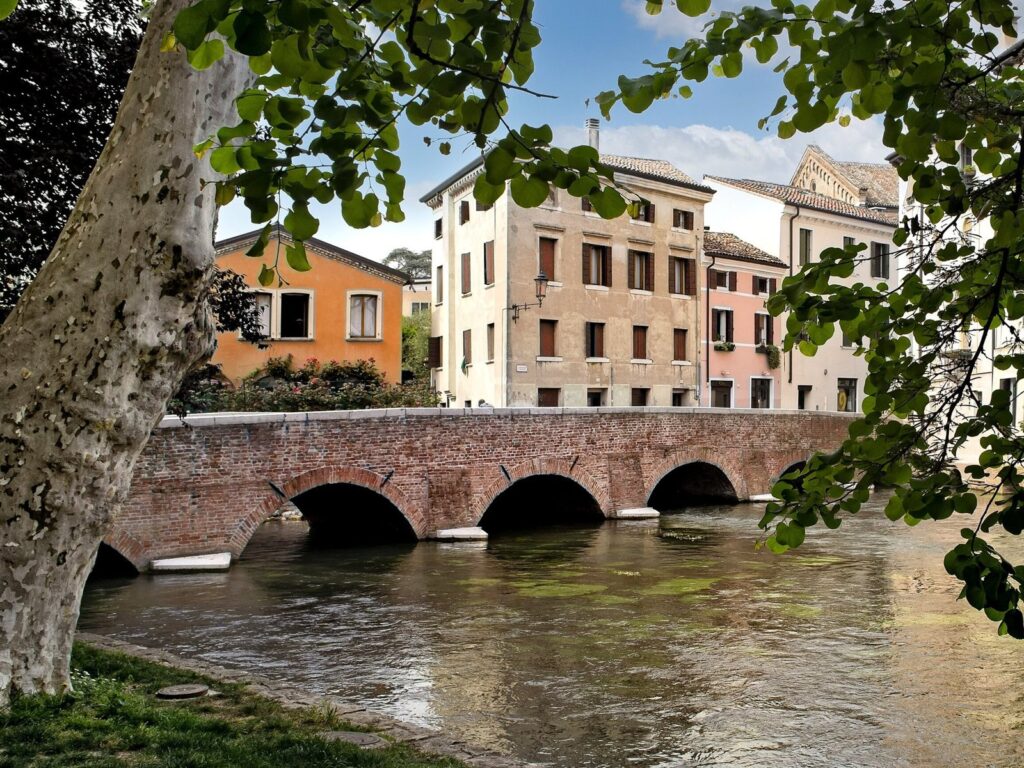
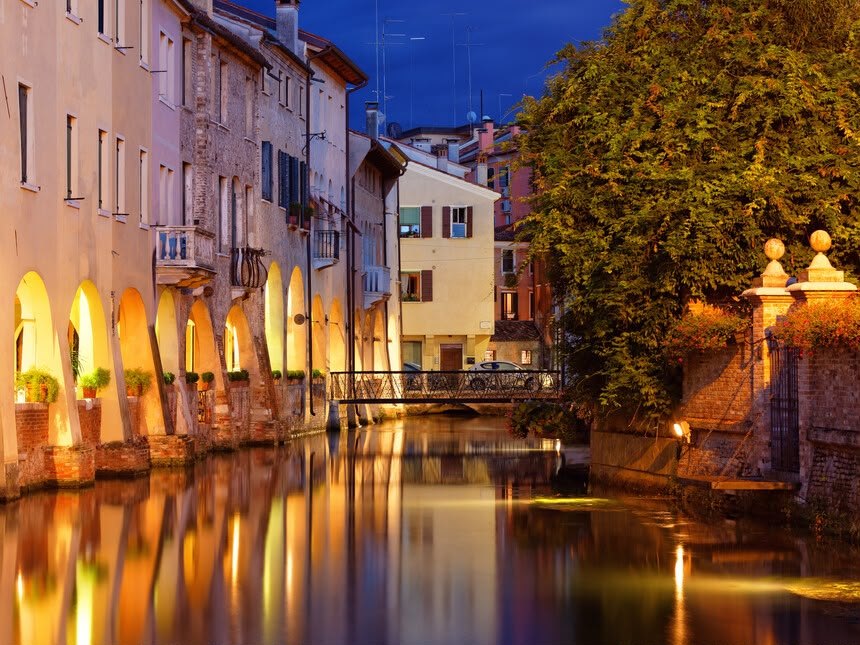
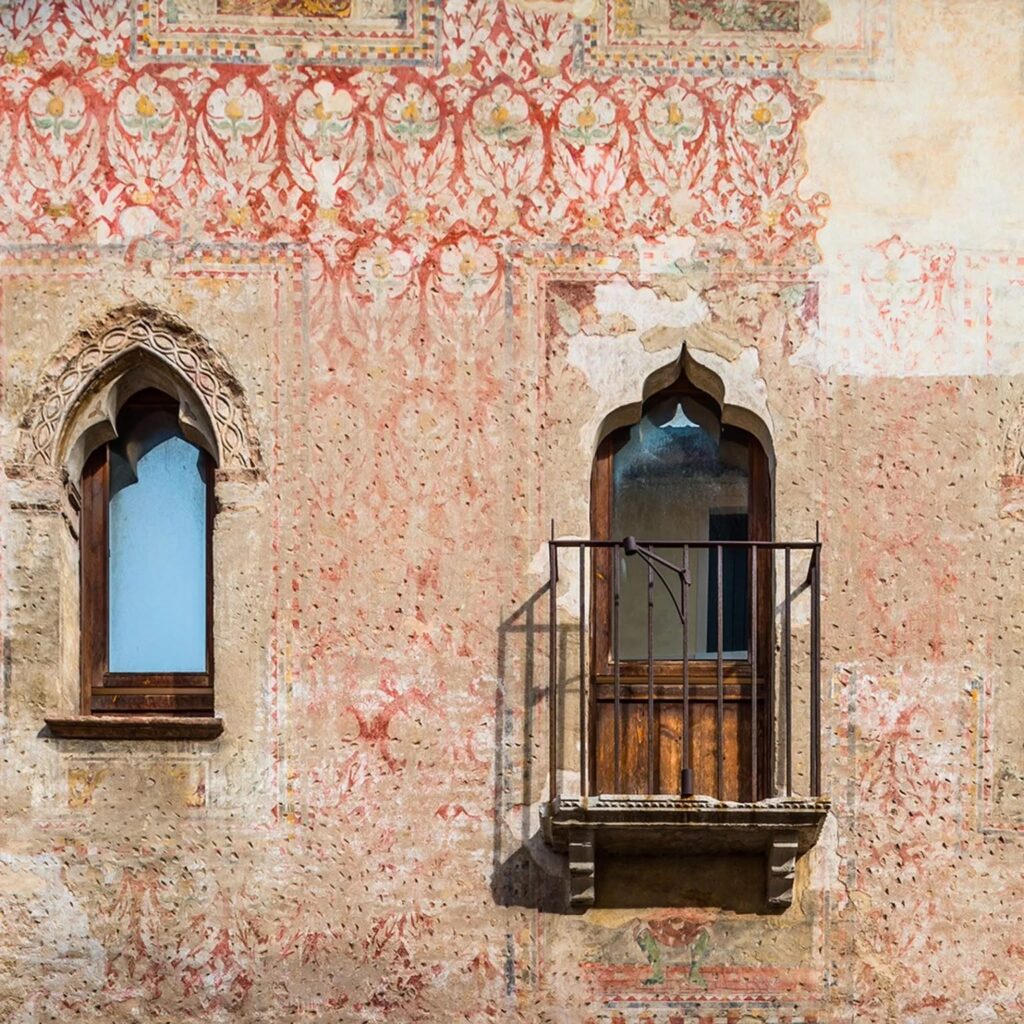
Treviso, a city of waters and frescoes
Sixteenth-century walls, canals and painted façades that earned it the name Urbs Picta: Treviso has kept its medieval and Renaissance soul intact, and you can explore all of it on foot, starting from our door.
- Piazza dei Signori and the Palazzo dei Trecento
- The Calmaggiore, lined with arcades and little shops
- The Buranelli and the Pescheria island
- The walls, bastions and Renaissance gates
- The Fontana delle Tette
- The Tuesday and Saturday market
Art and museums
In the footsteps of Tomaso da Modena
The great fourteenth-century painter left some of his absolute masterpieces in Treviso, such as the famous frescoes of the Dominican friars in the Seminary of San Nicolò and the Stories of Saint Ursula. Here is an itinerary for art lovers, discovering the city’s wonders from the fourteenth to the twentieth century.
San Nicolò
In the great Gothic church and in the nearby Chapter House of the seminary, the frescoes of Tomaso da Modena: among the forty Dominican friars portrayed is the earliest known image of a man wearing spectacles.
Museo di Santa Caterina
A former convent that houses Tomaso da Modena’s Stories of Saint Ursula, removed from a church that no longer exists, and a rich picture gallery.
Cathedral and Museo Bailo
In the Cathedral, Titian’s Annunciation; at the Museo Luigi Bailo, the sculptures of Arturo Martini and twentieth-century art from Treviso.
Treviso experiences
Live Treviso like a local
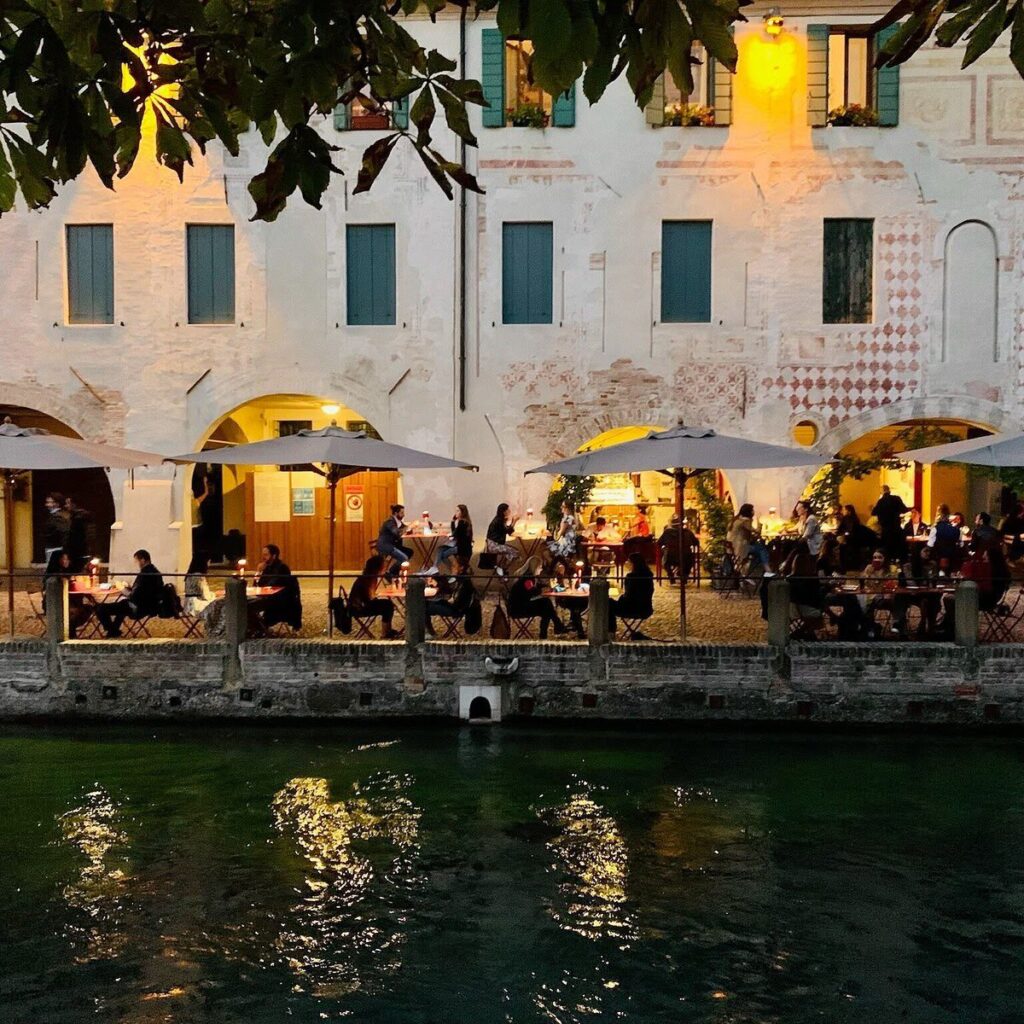
An ombra and a cicchetto
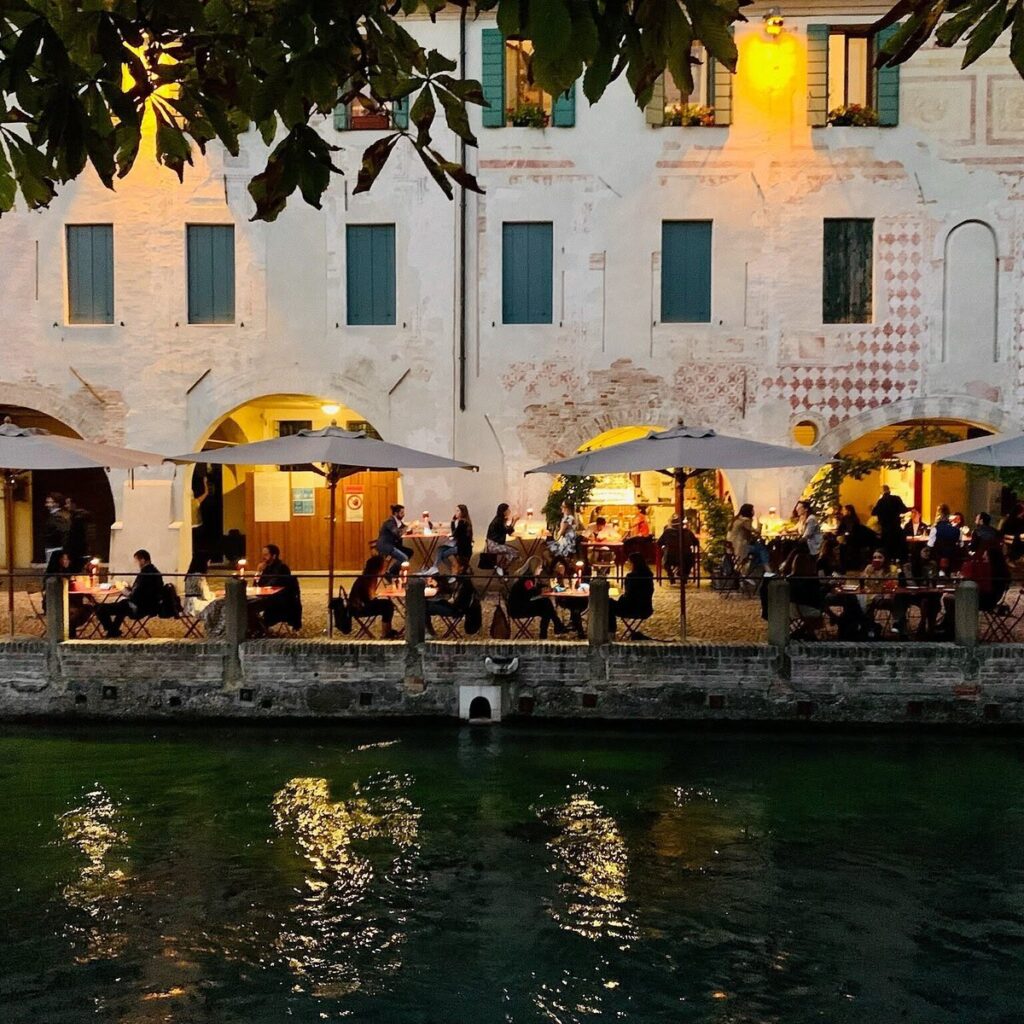
In Treviso a glass of wine is called an “ombra” (a shade), and it comes with cicchetti, little bites served at the bar. Touring the osterie is a ritual, especially at aperitivo time.
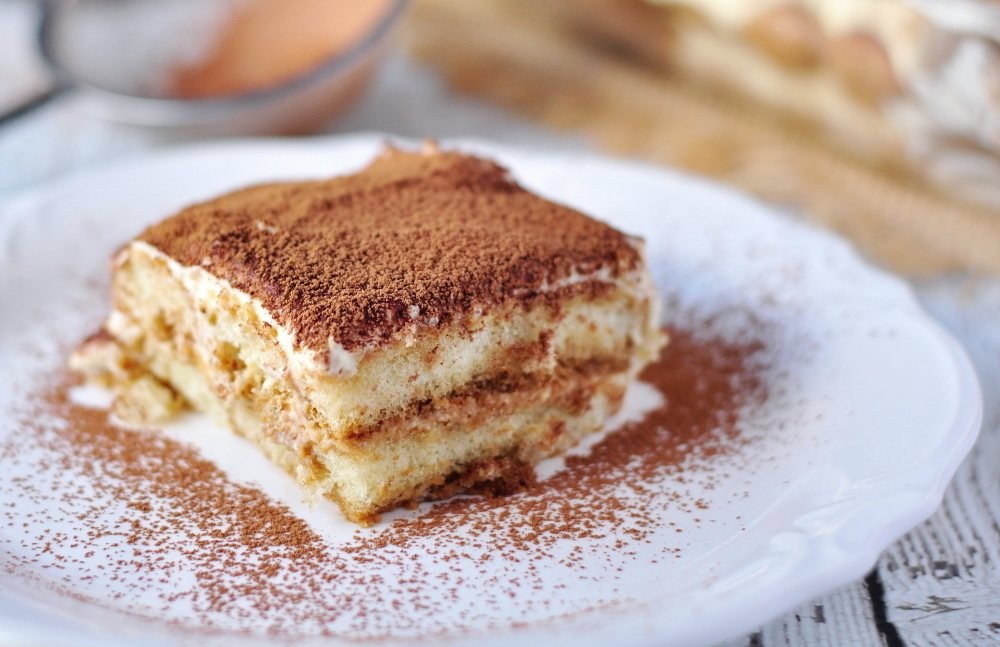
Tiramisù where it was born
The world’s most famous Italian dessert was born here. Tasting it in its home town, in a pastry shop or a historic trattoria, is almost a duty.
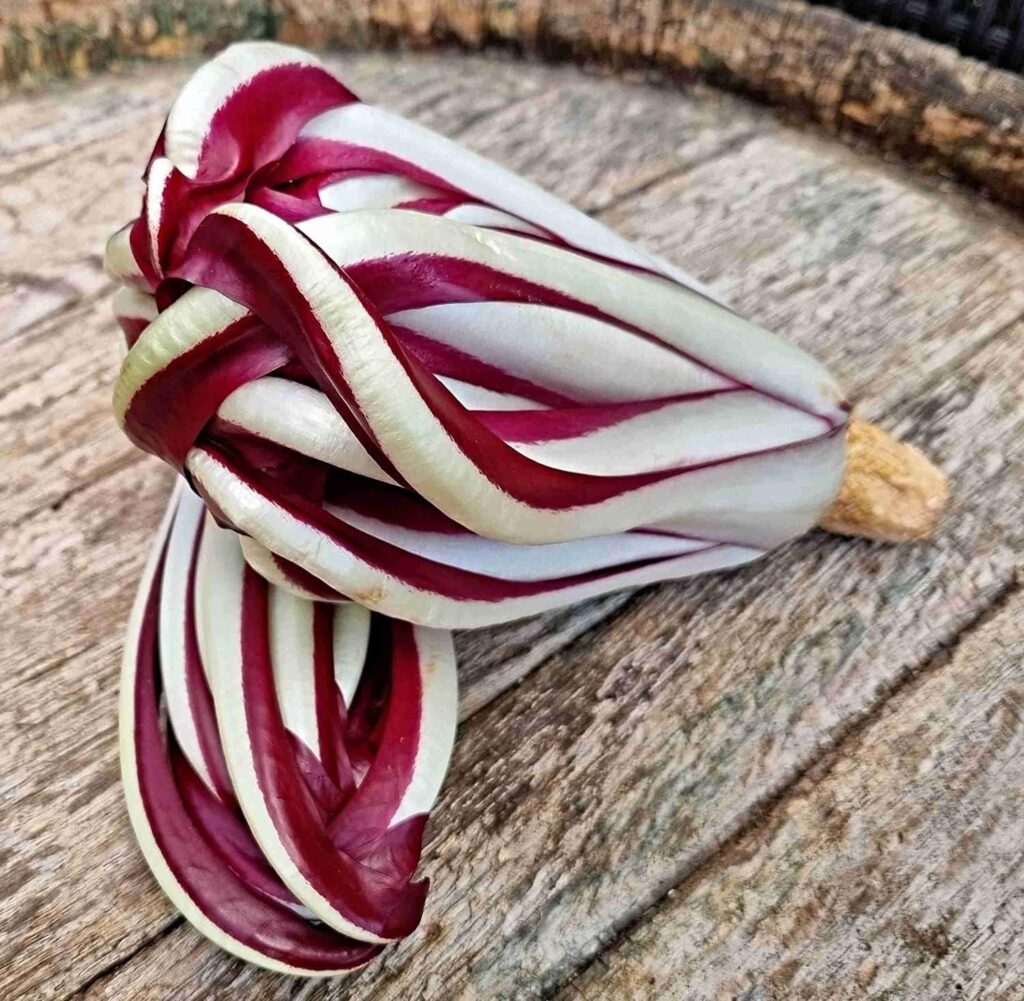
Radicchio Rosso
In winter the city takes on the red of Radicchio di Treviso IGP, the “flower you can eat”: you will find it at the market, on osteria menus and at the festivals devoted to it.
By bike and by canoe · The Sile
Europe’s largest spring-fed river
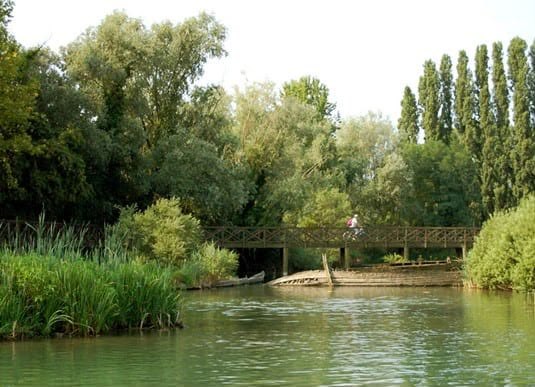
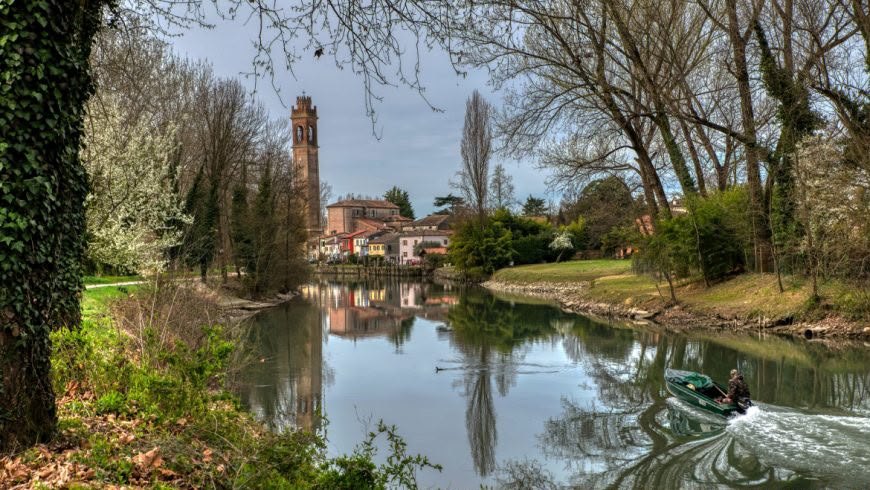
The Sile rises from springs between Casacorba and Torreselle, flows through the centre of Treviso and continues all the way to the Venetian Lagoon, protected along its entire course by the Sile River Nature Park.
- La Restera: the old towpath along the river, for a walk or a run from the centre
- La GiraSile: about 60 km of cycle path along the riverbanks
- Oasi di Cervara: historic mills, wet woodland and waterbirds
- By canoe or kayak on the river’s crystal-clear waters
- The Treviso–Ostiglia cycle path, along the route of an old railway line
Your bikes sleep safely in our entrance hall; in town you will find bike-hire points that unlock with a QR code.


Day trips
The whole Veneto within easy reach

Venice
Half an hour on a direct train and you are on the lagoon. In the evening, you return to the quiet of Treviso.

The Prosecco hills
Between Conegliano and Valdobbiadene, vine-covered hills that are a UNESCO World Heritage Site: the Prosecco Wine Road, open cellars and villages where you can stop for a tasting.

The Palladian Villas
In the Treviso countryside stand the villas of Andrea Palladio: Villa Barbaro at Maser, frescoed by Veronese, and Villa Emo at Fanzolo.
And more
Villages, artists and mountains
Castelfranco Veneto
Giorgione’s walled town, with his famous altarpiece in the Cathedral.
Asolo
The “town of a hundred horizons”, one of the most beautiful villages in Italy.
Possagno
Antonio Canova’s birthplace, with the Gipsoteca plaster-cast gallery and the Tempio Canoviano.
Bassano del Grappa
The Ponte degli Alpini over the Brenta, grappa distilleries and ceramics.
Padua
Giotto’s Scrovegni Chapel, the Basilica of Saint Anthony and the Botanical Garden.
The Dolomites
A UNESCO World Heritage Site, for a day in the mountains in summer or on the slopes in winter.
Ask Martina
An osteria serving food the way it used to be, the right winery in the hills, the most beautiful bike ride: just ask, and we will share our tips.